Living Amongst Art
To collect art is one thing.
To live with it is something entirely different.
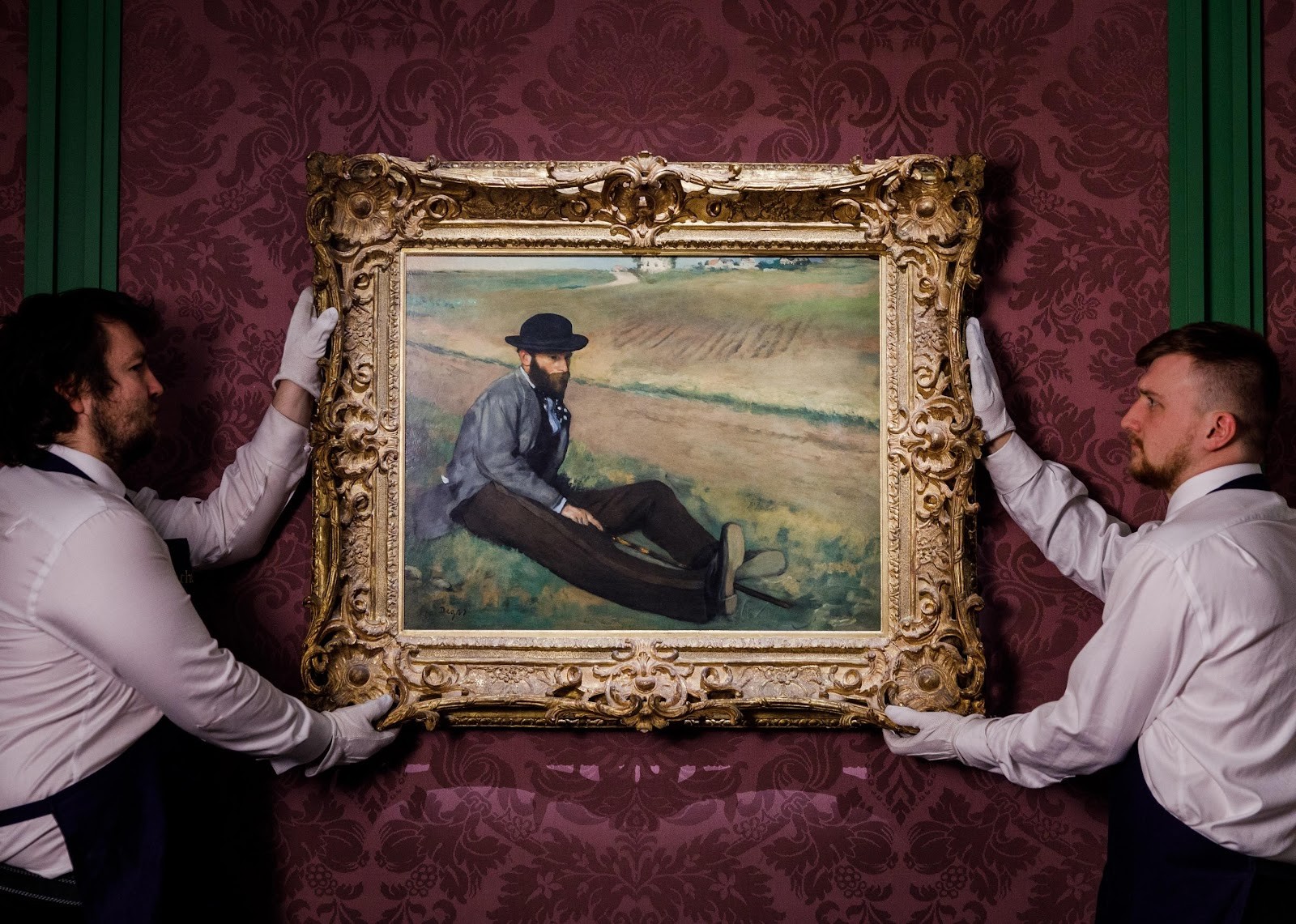
Museums teach us how to look at art. Homes teach us how to live with it. The difference is subtle but transformative: when artworks leave the white walls of galleries and enter private spaces, they become part of everyday life — part of breakfast conversations, late-night reflections, and the atmosphere of a room.
This idea lies at the heart of the cult Instagram account @collectorwalls, created by curator and writer Lucas Oliver Mill. The account explores the homes of collectors and the stories behind how art is actually lived with — not just admired from a distance.
It reveals something quietly radical: great collections are not always about wealth or prestige. They are about curiosity, instinct and the courage to surround yourself with objects that mean something.
Most people encounter art in institutional settings — museums, auction houses, and galleries. But historically, art has always belonged in homes.
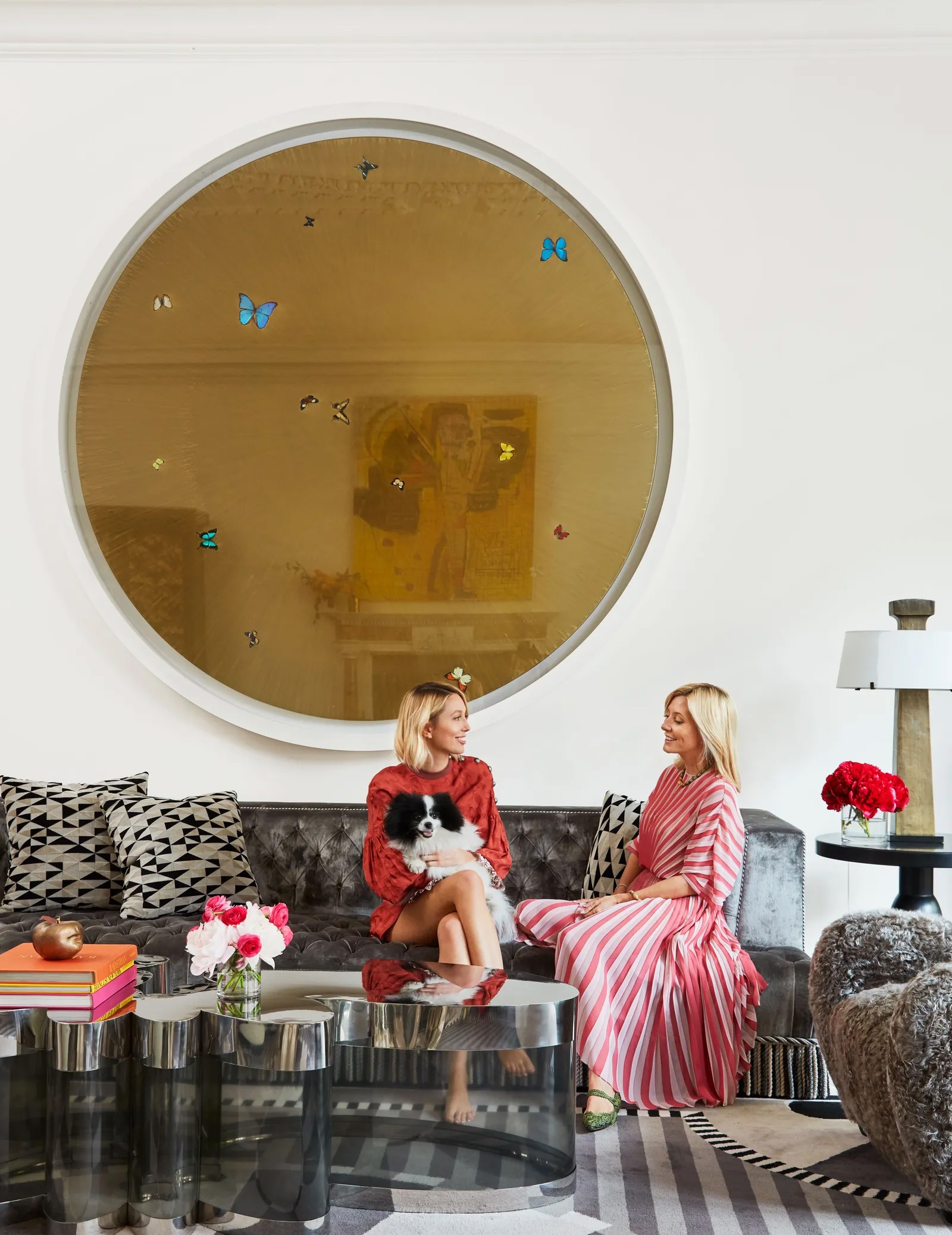
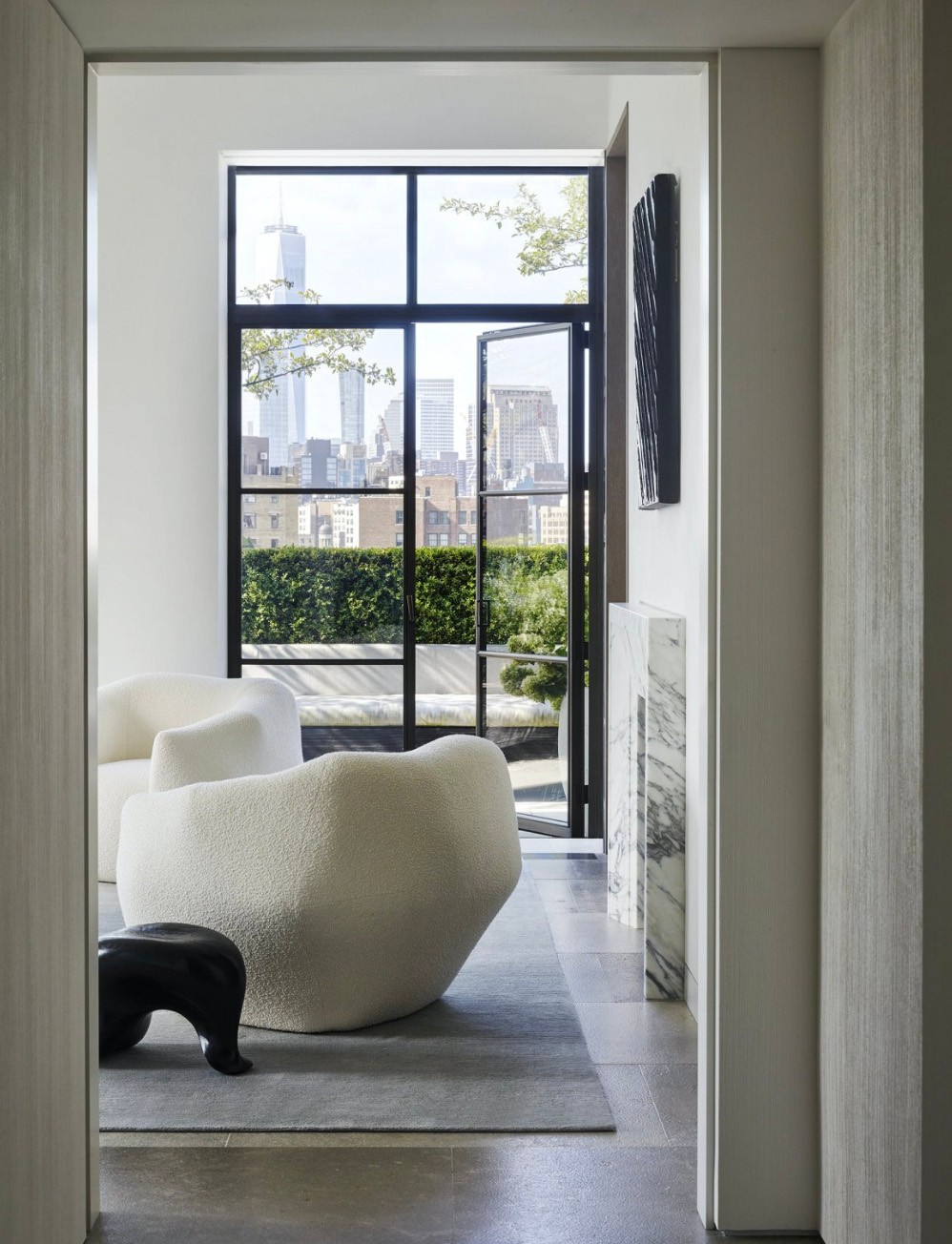
The difference in a collector’s home is intimacy. A Picasso might hang above a fireplace, ceramics may line a bookshelf, or a sculpture may quietly inhabit the corner of a living room. In these environments, artworks shift from spectacle to companion. Collector Walls began as a fascination with precisely this idea: how collectors arrange art within their personal environments and the stories behind those decisions.
Seen this way, art becomes part of architecture. It defines the rhythm of a room, directs the eye and shapes how space is experienced. A single painting can anchor an entire interior.
True collectors rarely begin with a master plan. Most collections start with a moment — a painting that stops you in your tracks or an object you simply cannot stop thinking about.
Over time, these instinctive purchases begin to form a narrative. Some collectors pursue a theme or movement — Abstract Expressionism, Pop Art, contemporary photography. Others build collections around colour, material or even emotion. One collector described in a Sotheby’s profile arranged her works within a strict chromatic palette of black, white and metal, allowing each piece to visually speak to the next across the room. The result is not simply a collection. It is a conversation.
While fine art remains the foundation of many collections, collectible design has become an increasingly important part of contemporary interiors.These are pieces that sit between furniture and sculpture — works by designers such as Jean Prouvé, Pierre Jeanneret or contemporary studios producing limited-edition objects. They are functional, yet deeply artistic. For many collectors, design becomes a gateway into art collecting.
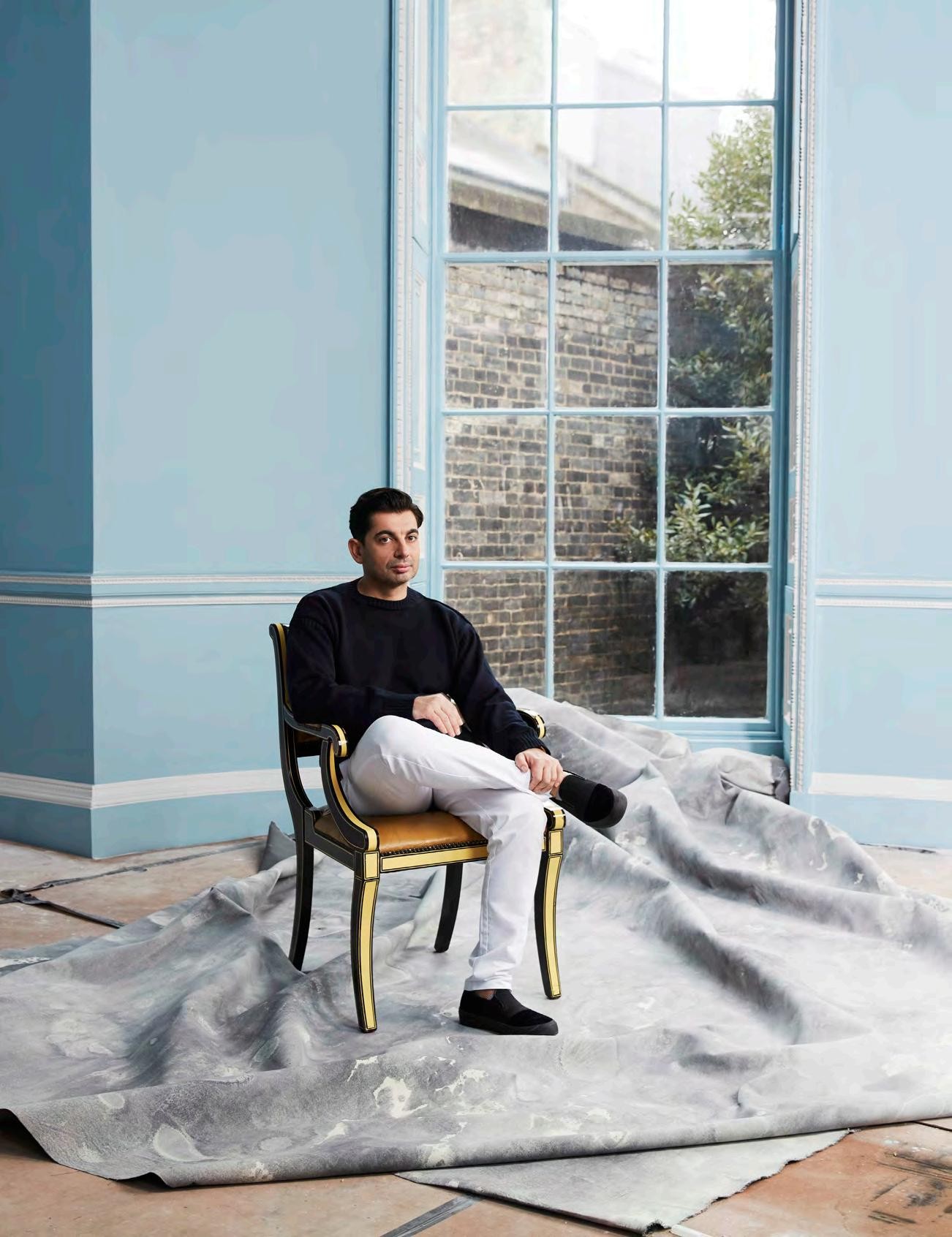
Lucas Oliver Mill himself has spoken about buying a pair of Le Corbusier LC1 chairs early in his life — a purchase that sparked a broader obsession with design and collecting. Design objects carry a unique power in interiors: you interact with them daily. A chair, table or lamp becomes part of lived experience.
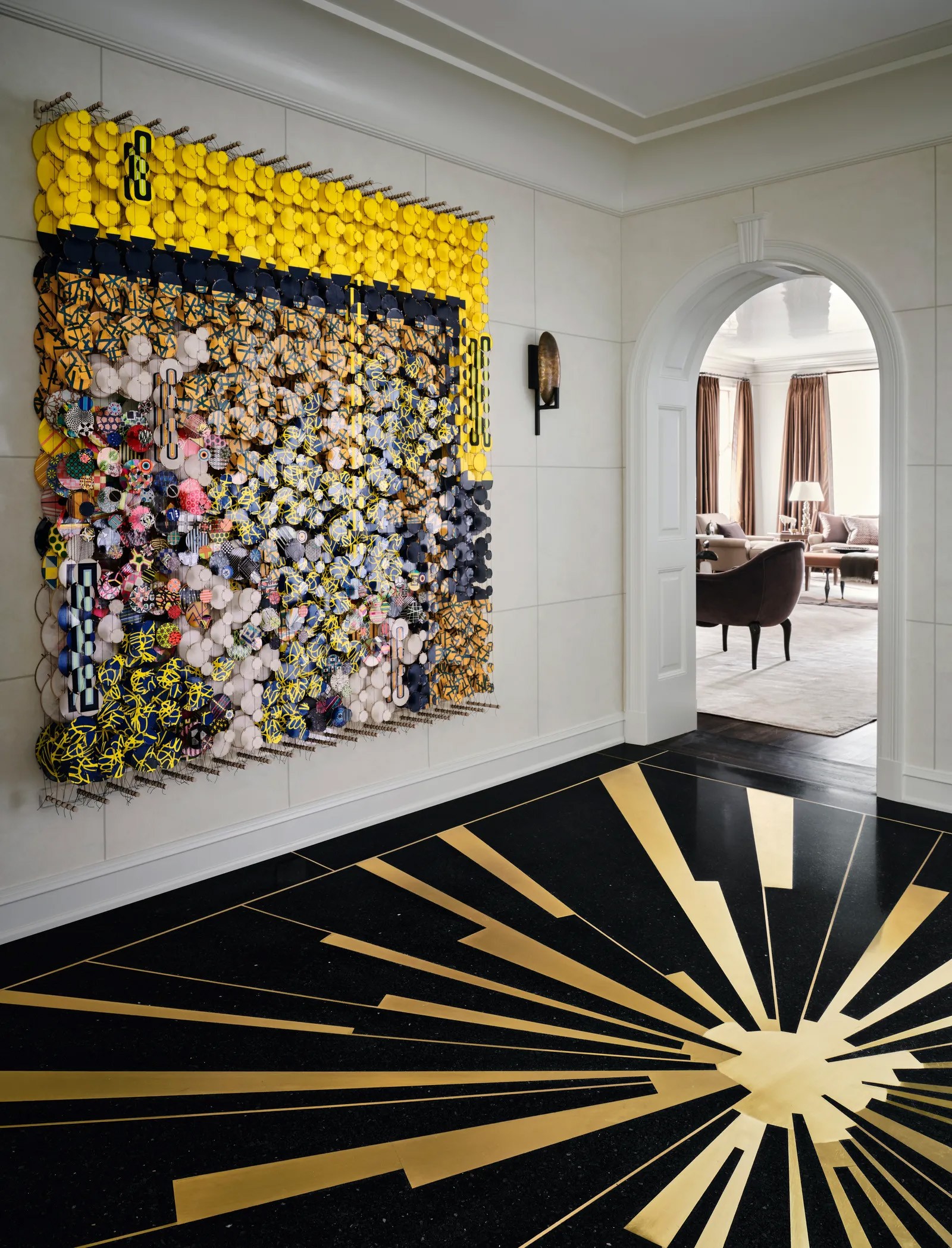
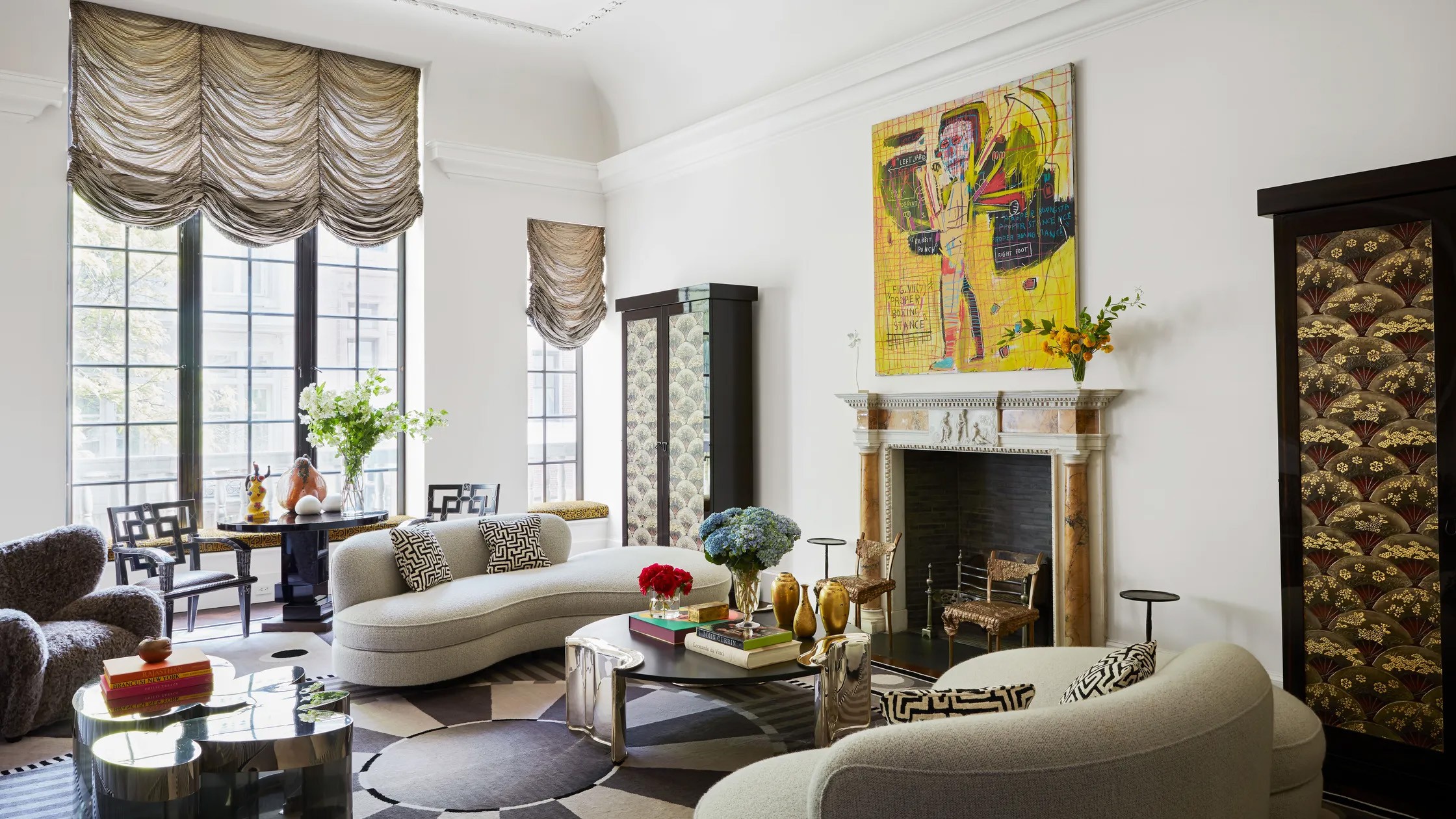
One of the most striking elements in collectors’ homes is the treatment of the wall itself. Rather than hanging works in neat rows like a gallery, collectors often experiment with scale and placement. A monumental canvas might dominate an entire room. A tiny drawing might be placed alone on a vast wall. This dramatic play of proportion is what makes a collector’s home feel personal. Every artwork carries its own history — where it was made, who owned it, the ideas that shaped it. When collectors live with art, they also live with those stories.
A painting bought in a small gallery during travel might remind someone of a city they love. A sculpture discovered at a design fair might mark a turning point in a career. A photograph purchased from a young artist might represent a belief in the future. What makes collectors’ homes so compelling is that they defy the perfection of traditional interiors. They are layered, evolving and occasionally chaotic.