Dolce Fa Niente - A return to the Grand Tour
THE RETURN OF GRAND TRAVEL
There was a time when travel was every bit as glamorous as the destination itself. Long before online check-ins, digital boarding passes and hurried airport terminals, journeys unfolded with ceremony. Bellhops wheeled towering leather trunks across polished marble floors, concierges anticipated every need before it was spoken, and elegant ocean liners, grand railway carriages and early aircraft transformed movement itself into an occasion. One travelled not simply to arrive, but to experience the romance that existed between departure and destination.
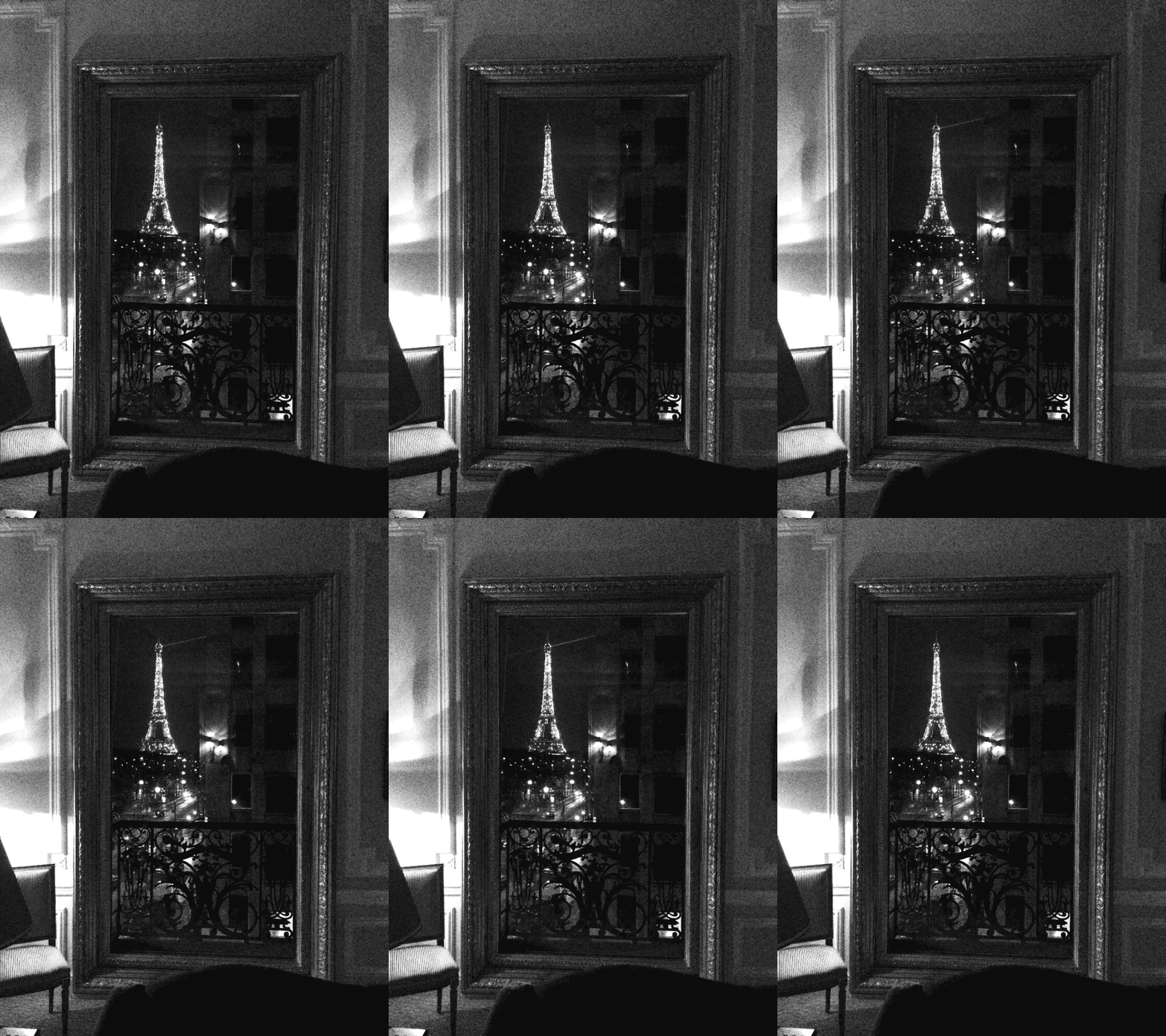
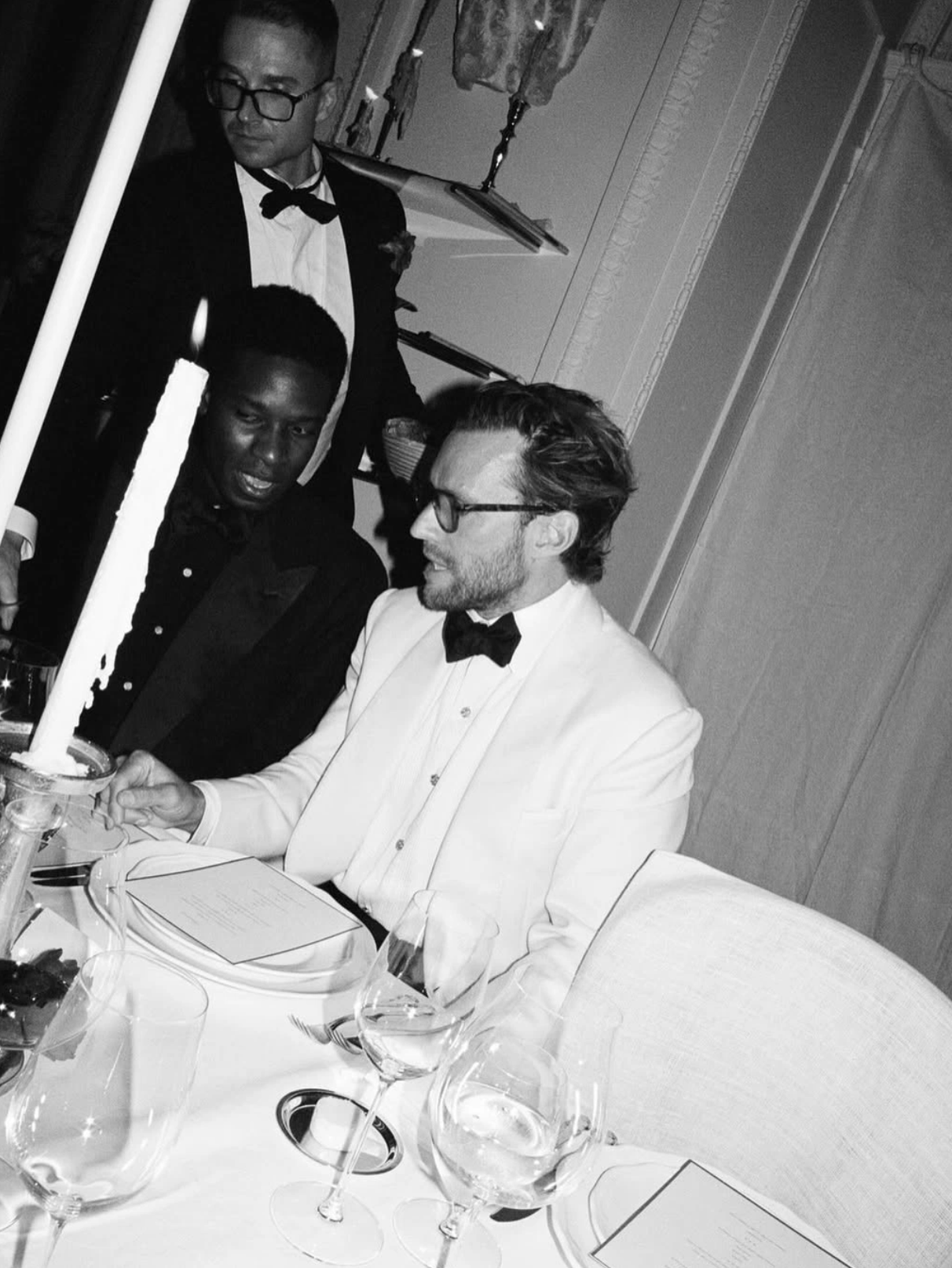
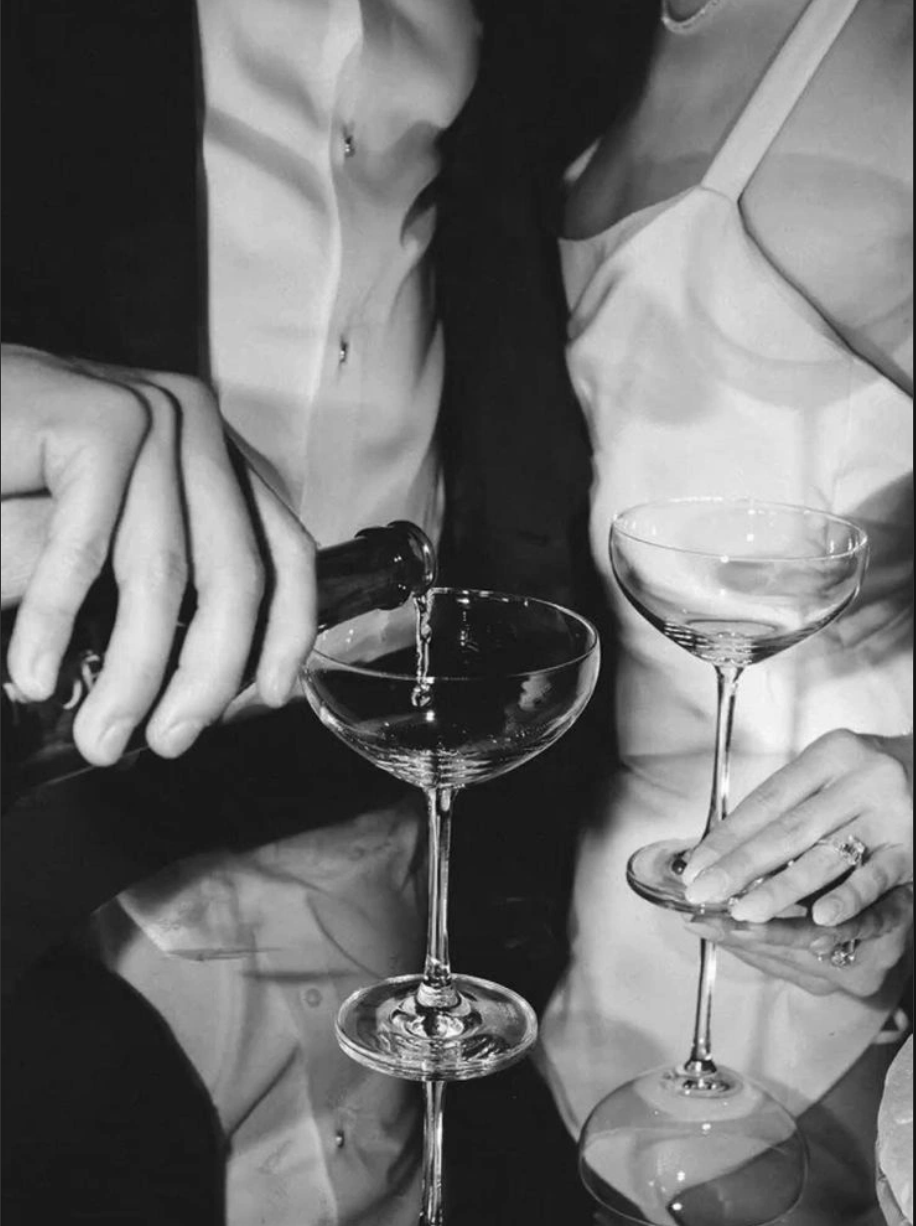
For much of the twentieth century, nowhere embodied this spirit more completely than the great European tour. Paris became the cultural gateway to the continent, welcoming artists, writers, aristocrats and discerning travellers who understood that a city could be experienced slowly. Days drifted effortlessly between museums, cafés and couture houses, while evenings dissolved into candlelit dining rooms and conversations that stretched long into the night. To arrive in Paris was never merely to visit—it was to participate in one of travel's great rituals.
Beyond the French capital, the journey continued through a Europe where time seemed to expand. The great express trains wound through alpine landscapes, polished motorcars carried guests along the shores of the Italian lakes, and destinations revealed themselves gradually rather than instantly. Travel demanded patience, and in return offered anticipation—a luxury that has become increasingly rare in an age of immediacy.
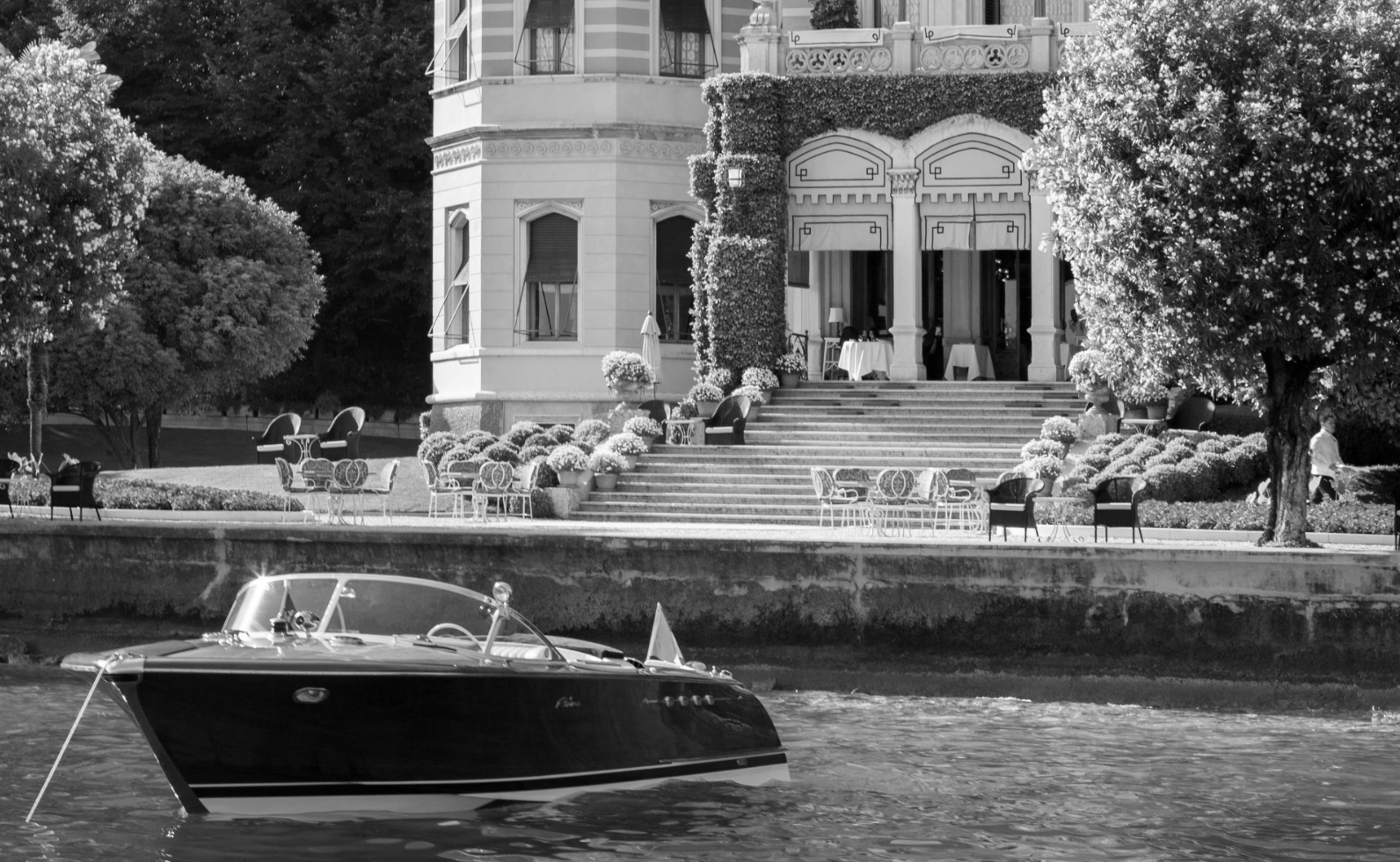
Perhaps nowhere preserves that spirit more beautifully than Villa Feltrinelli on the western shores of Lake Garda. Once the private residence of one of Italy's most prominent families, the extraordinary villa today recalls an era when hospitality was measured not by spectacle, but by grace. Surrounded by immaculate gardens and overlooking still water where polished wooden Riva boats continue to glide across the lake, every arrival feels less like checking into a hotel and more like being welcomed into a grand private home. It is a place that reminds us the finest destinations have always understood the quiet power of restraint.
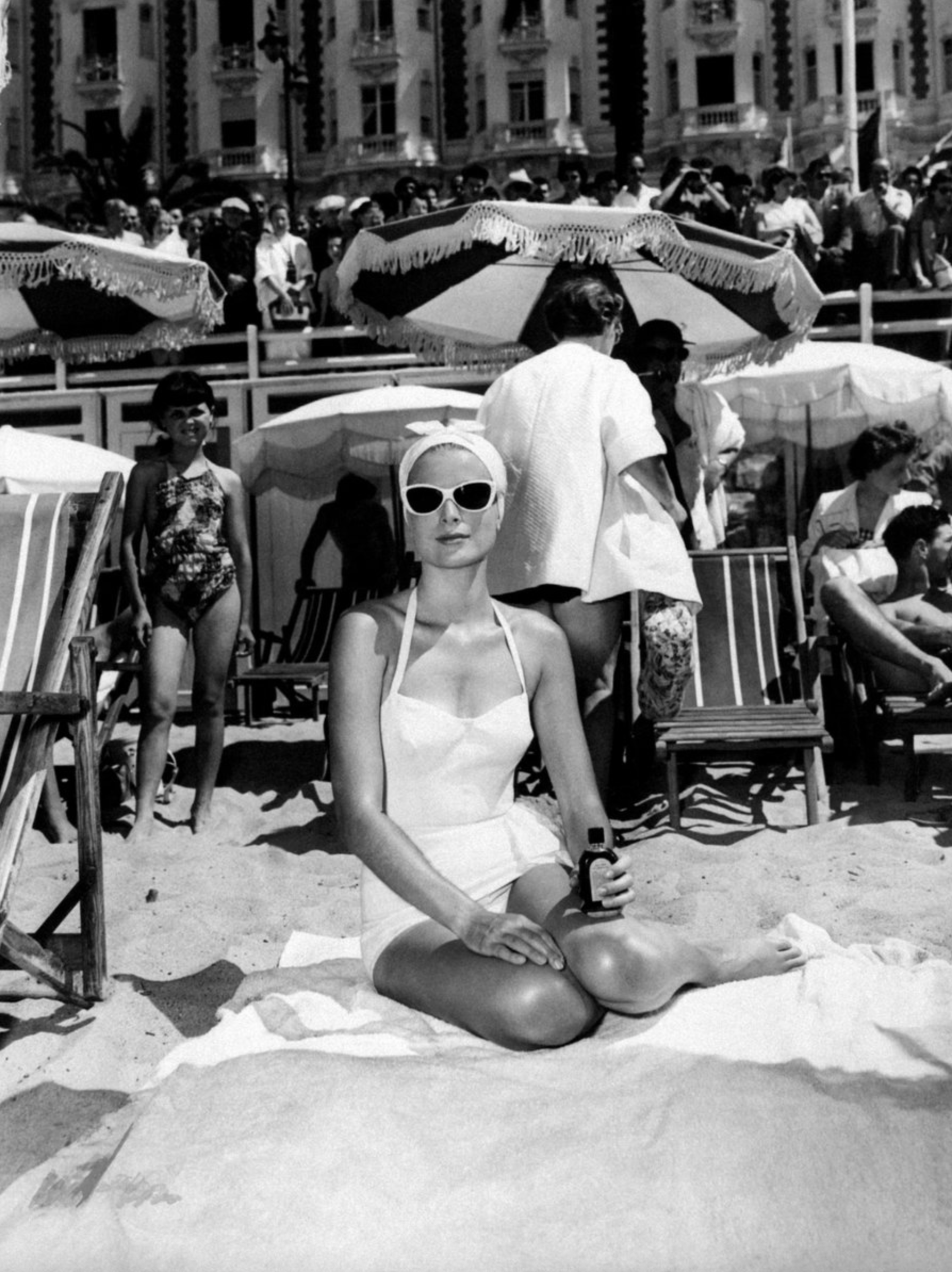
Across the Mediterranean, Monaco remains the enduring symbol of this golden age. The principality still carries the unmistakable glamour of the Riviera immortalised by Princess Grace, where impeccably tailored guests arrived beneath the palms of Monte Carlo, polished yachts rested quietly within Port Hercule and afternoons unfolded at an unhurried pace overlooking the sea. The iconic black-and-white photographs of the 1950s and 60s captured more than beautiful people—they documented a philosophy of travel defined by elegance, discretion and effortless style.
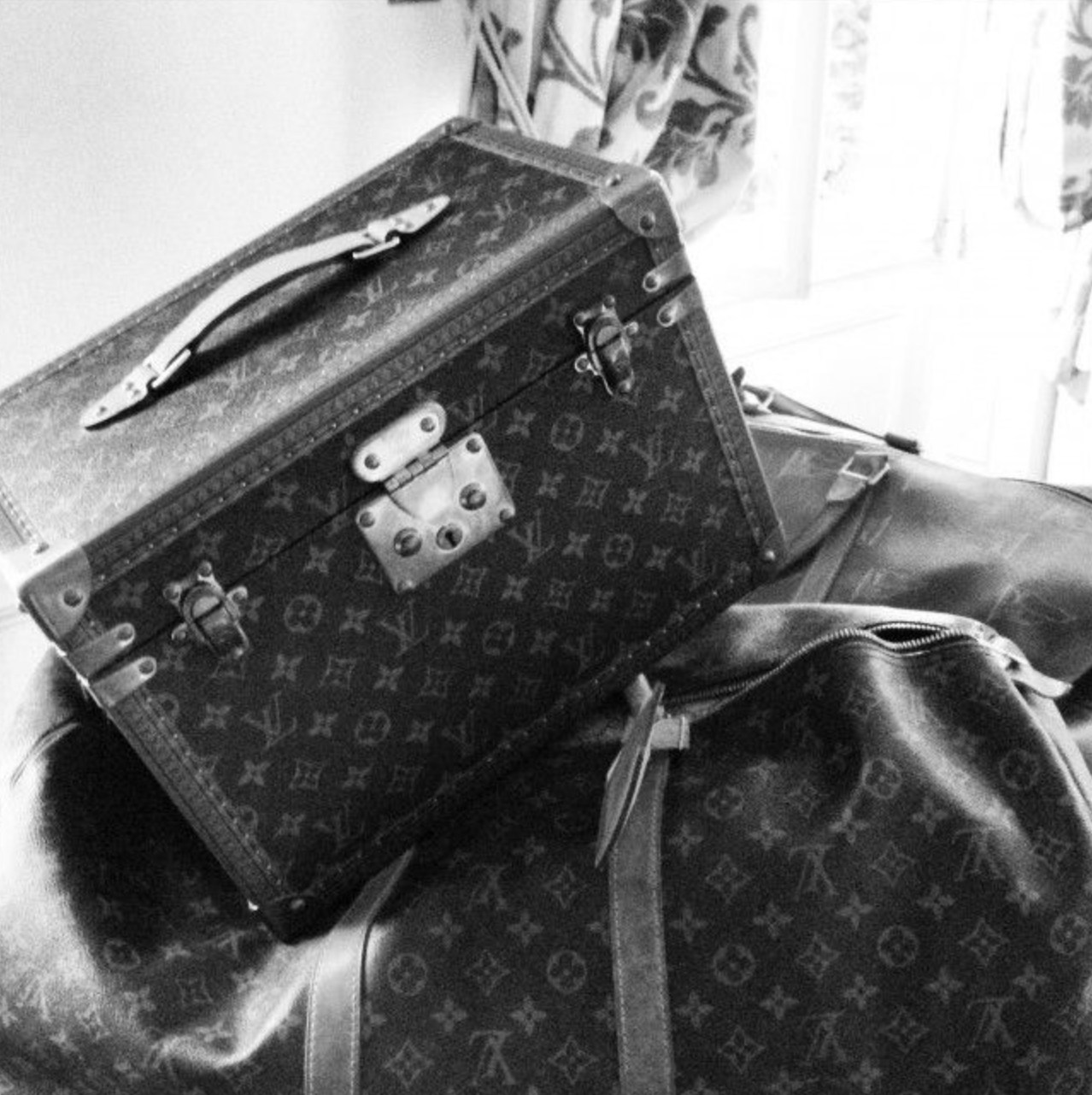
Today's renaissance of luxury travel is less about recreating the past than rediscovering its values. Private aviation has restored the sense of calm once associated with the earliest days of flying, where the journey begins the moment one leaves home rather than upon reaching the gate. Dedicated concierge teams quietly orchestrate every detail before arrival, allowing travel to unfold with a level of ease that feels increasingly uncommon. Heavy leather trunks may have given way to finely crafted cases, yet the rituals remain remarkably familiar: thoughtful packing, attentive service and the quiet confidence that every detail has already been considered.
This renewed appreciation for grand travel speaks to something deeper than nostalgia. In a world increasingly defined by efficiency, luxury is no longer measured by how quickly we arrive, but by how beautifully we choose to move through it. The handwritten itinerary. The porter waiting beneath a grand hotel's porte-cochère. The polished timber of a Riva at sunset. A concierge who remembers your name. These are not relics of another era, but reminders that the greatest journeys have always been defined not by distance, but by atmosphere.
Travel, after all, was never simply about reaching somewhere new. It was about becoming someone slightly different along the way.